The ivory trade is one of the oldest and most ruthless economies in the world — and despite international bans, it shows no sign of stopping. Every 26 minutes, an elephant is killed for its tusks.
A War Fought in Silence
Across the savannahs of sub-Saharan Africa and the forest corridors of Asia, a silent war is being waged. Armed poaching syndicates — often linked to transnational criminal networks — move with military precision. They use silenced rifles, poison-laced waterholes, and even helicopters to locate and eliminate elephant herds. Rangers, often underpaid and outgunned, stand as the only barrier between the poachers and the last great herds.
The ivory is then processed through sophisticated laundering networks, typically routed through Southeast Asian ports before reaching black markets in China, Vietnam, and beyond. A single tusk can fetch up to $2,500 per kilogram — making a large bull elephant worth over $100,000 to a poaching crew.
“When the buying stops, the killing can too. But until then, we must stand at the border between life and extinction, every single night.”
Technology Fighting Back
Modern anti-poaching operations now deploy an arsenal of technology. GPS-equipped ranger teams are coordinated via mobile apps. Camera traps trigger real-time alerts. Aerial drones equipped with thermal imaging can scan thousands of acres at night, detecting the heat signatures of armed intruders before they reach a herd.
Elephic Fund directly finances three ranger outposts operating in high-risk corridors. Our procurement contributions have provided thermal scopes, rapid-response vehicles, and veterinary dart guns used to treat injured elephants rescued from snares.
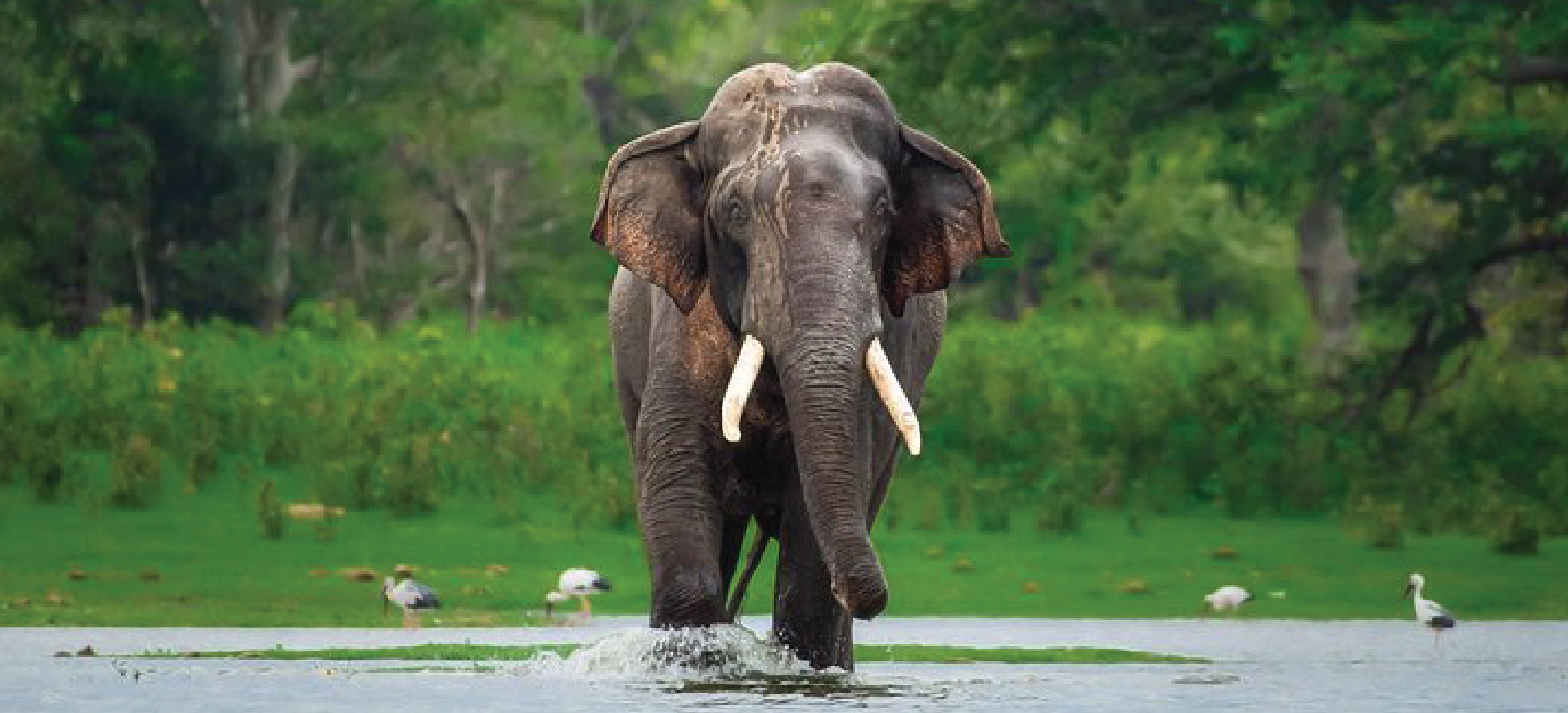
A ranger patrol at dusk along a critical elephant migration corridor — the first line of defense against poaching syndicates.
Community Intelligence Networks
Perhaps the most effective weapon against poaching is local intelligence. Communities living near elephant habitats are often the first to spot unusual activity. By establishing anonymous reporting lines and offering financial incentives for verified tips, conservationists have disrupted dozens of operations before a single shot was fired.
- Over 340 poachers apprehended in partner regions since 2022
- 12 ivory stockpile caches discovered through community tip-offs
- Ranger salaries increased by 40% through fund contributions, reducing corruption risk
- Canine tracking units deployed at 3 key border crossings
The Long Road to a Ban That Works
The 1989 CITES ban on the international ivory trade was a watershed moment, but it was never complete. Legal stockpiles, one-off sales, and domestic markets in several countries created loopholes that criminal networks exploit to this day. Advocacy for total, unconditional bans — with enforcement teeth — remains a critical pillar of elephant protection.
Elephic Fund supports legal advocacy teams who work at international conventions, lobbying governments to close remaining loopholes and increase penalties for trafficking. Conservation without policy change is temporary. We fight on both fronts.