An elephant corridor is not just a strip of land. It is the future of a species — a legally protected highway that allows generations of elephants to follow routes their ancestors walked thousands of years ago.
Why Legal Protection Matters
Conservation without legal backing is always temporary. A landowner can sell. A government can change policy. A community can be displaced. Legal corridor designation — through gazette notifications, conservation easements, or formal protected area extensions — creates a durable framework that survives political changes and development pressure.
Elephic Fund works with environmental lawyers, land surveyors, government officials, and community representatives to navigate complex land tenure systems across South Asia. Our legal advocacy team has successfully petitioned for the formal gazette notification of two key corridors in Sri Lanka, creating permanent protection under the Forest Conservation Ordinance.
“Buying a piece of land is easy. Making it elephant-proof, legally sound, and community-supported — that is the real work. And it is the only work that lasts.”
The Process: From Identification to Protection
- Step 1: Field scientists identify movement data from GPS-collared elephants to map actual usage routes
- Step 2: Survey teams assess land ownership, zoning status, and encroachment pressure along the corridor
- Step 3: Legal team evaluates applicable protection mechanisms under national and local law
- Step 4: Land acquisition negotiated with private landowners; fair market compensation provided
- Step 5: Government application filed for formal protected area status or conservation easement recording
- Step 6: Community ranger program established to monitor and patrol the secured corridor
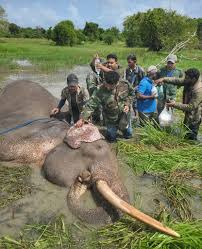
The signing ceremony for the Kahawatte-Udawalawe Corridor legal protection gazette — a milestone representing 3 years of legal advocacy.
Road Mitigation: Crossing the Divide
Even secured corridors face their biggest challenge at road crossings. Highways that bisect forested landscapes are responsible for dozens of elephant deaths annually — not just from collisions, but from the psychological barrier that cuts herds off from essential resources.
Our infrastructure advocacy program pushes for wildlife underpasses and overpasses on high-priority road segments. Working with transport ministries, we have secured commitments for underpass construction on two stretches of national highway that cross priority elephant movement routes.
Measuring Success
Within 18 months of securing the first two corridors, GPS tracking confirmed a 340% increase in elephant crossing frequency at the protected segments. Camera traps documented three previously isolated family groups using the corridors to intermingle — critical for genetic diversity. The youngest calf recorded was born to a mother from one previously isolated group, fathered by a male from another. That calf is the genetic dividend of a corridor protected.